Occupational Health and Safety Management in Companies
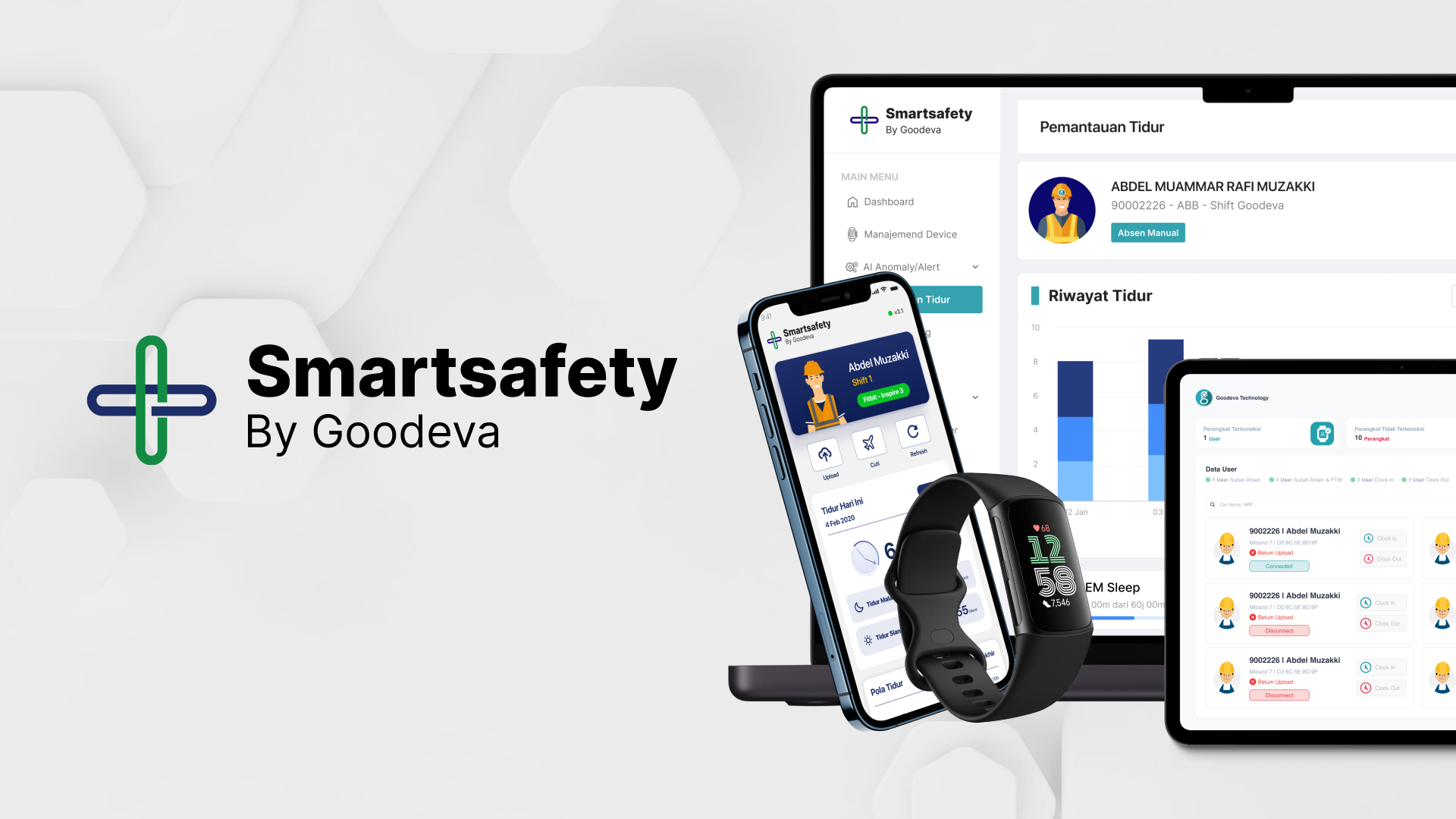
Occupational Health and Safety (OHS) management is a critical component of any organization’s strategy to ensure the well-being of its employees, compliance with legal requirements, and the overall productivity of its operations. In today’s business environment, where workplace hazards can vary widely across different industries, a comprehensive OHS management system is essential. This article explores the importance of OHS management, its key components, and best practices for implementing an effective OHS program within a company.
The Importance of OHS Management
Protecting Employee Well-Being
The primary goal of OHS management is to protect the health and safety of employees. Ensuring a safe working environment reduces the risk of accidents and injuries, which in turn decreases absenteeism and improves overall employee morale and productivity. Healthy and safe employees are more likely to perform their duties efficiently and contribute positively to the company’s success.
Legal and Regulatory Compliance
Companies are legally required to comply with occupational health and safety regulations. Non-compliance can result in severe penalties, legal liabilities, and damage to the company’s reputation. A robust OHS management system helps organizations adhere to these regulations, thus avoiding legal repercussions and maintaining their standing as responsible employers.
Enhancing Productivity and Efficiency
A well-implemented OHS management system minimizes workplace disruptions caused by accidents and illnesses. This leads to smoother operations, fewer work stoppages, and reduced costs associated with injuries and health-related absences. By fostering a culture of safety, companies can enhance productivity and operational efficiency.
Key Components of OHS Management
Hazard Identification and Risk Assessment
Identifying potential hazards and assessing associated risks is the foundation of an effective OHS management system. This involves:
Workplace Inspections: Conducting regular inspections to identify hazards in the work environment.
Risk Assessments: Evaluating the likelihood and severity of identified hazards to prioritize risk mitigation efforts.
Incident Reporting: Encouraging employees to report near-misses and unsafe conditions to proactively address potential risks.
Development of Safety Policies and Procedures
Clear and comprehensive safety policies and procedures provide guidelines for safe work practices. These should include:
Standard Operating Procedures (SOPs): Detailed instructions on how to safely perform specific tasks.
Emergency Response Plans: Procedures for dealing with emergencies such as fires, chemical spills, and medical incidents.
General Safety Rules: Basic safety rules that all employees must follow, such as the use of personal protective equipment (PPE) and adherence to safe work practices.
Employee Training and Education
Training and educating employees on safety practices is crucial for creating a safety-conscious culture. Effective training programs should include:
Induction Training: Initial training for new employees covering basic safety procedures and company policies.
Ongoing Training: Regular refresher courses and updates on new safety practices and regulations.
Specialized Training: Training for specific high-risk activities or the use of specialized equipment.
Monitoring and Evaluation
Continuous monitoring and evaluation are essential for maintaining and improving safety standards. This involves:
Safety Inspections: Regular inspections to ensure compliance with safety policies and identify new hazards.
Incident Reporting Systems: Efficient systems for reporting accidents, near-misses, and unsafe conditions.
Data Analysis: Analyzing safety data to identify trends, assess the effectiveness of safety measures, and make informed decisions.
Best Practices for Implementing an Effective OHS Program
Leadership Commitment and Involvement
The success of any OHS management system depends on the commitment and involvement of leadership. Senior management must prioritize safety, allocate necessary resources, and lead by example. This includes:
Setting Safety Goals: Establishing clear and achievable safety objectives.
Allocating Resources: Providing the necessary funding, personnel, and equipment for safety initiatives.
Leading by Example: Demonstrating a commitment to safety by following safety protocols and encouraging a safety-first culture.
Employee Engagement and Participation
Engaging employees in safety initiatives fosters a sense of ownership and responsibility. Strategies for enhancing employee participation include:
Safety Committees: Forming safety committees comprising employees from various levels to discuss safety issues and recommend improvements.
Incentive Programs: Implementing reward systems for employees who consistently follow safety protocols and contribute to a safe working environment.
Feedback Mechanisms: Encouraging employees to provide feedback on safety practices and report potential hazards.
Continuous Improvement and Regular Reviews
OHS management is an ongoing process that requires continuous improvement and regular reviews. This involves:
Periodic Reviews: Conducting regular reviews of safety policies, procedures, and performance.
Audits and Assessments: Performing internal and external audits to evaluate the effectiveness of the OHS management system.
Continuous Improvement: Using insights gained from reviews and audits to make continuous improvements to safety practices and protocols.
Leveraging Technology
Advancements in technology offer innovative solutions for enhancing OHS management. Key technological tools include:
IoT and Wearables: Utilizing IoT devices and wearable technology to monitor environmental conditions and workers’ health in real time.
Safety Management Software: Implementing software solutions for tracking incidents, managing safety data, and ensuring compliance with regulations.
Automation and Robotics: Integrating automation and robotics to perform high-risk tasks, thereby reducing human exposure to hazards.
Challenges in OHS Management
Resource Constraints
Implementing a comprehensive OHS management system can be resource-intensive, requiring significant investment in time, money, and personnel. Smaller companies may face challenges in allocating sufficient resources for effective OHS management.
Changing Regulations
Occupational health and safety regulations can change frequently, requiring companies to stay updated and ensure compliance. Keeping up with these changes can be challenging, especially for companies operating in multiple jurisdictions.
Employee Resistance
Employees may resist changes to established work practices, particularly if they perceive new safety measures as burdensome or unnecessary. Overcoming this resistance requires effective communication and engagement strategies.
Case Studies and Success Stories
Case Study 1: Manufacturing Industry
A manufacturing company implemented a comprehensive OHS management system that included regular safety audits, advanced training programs, and the use of IoT devices to monitor environmental conditions. As a result, the company saw a significant reduction in workplace accidents and improved overall safety performance. The success of the program was attributed to strong leadership commitment, employee engagement, and the effective use of technology.
Case Study 2: Construction Industry
A construction firm faced challenges with frequent machinery accidents and downtime. By adopting an OHS management system that emphasized preventive maintenance, regular safety training, and the use of automated safety checks, the company managed to reduce accidents and increase productivity. The key to their success was the integration of safety protocols into everyday operations and continuous monitoring and improvement.
Conclusion
Occupational Health and Safety management is essential for protecting employees, ensuring legal compliance, and enhancing productivity within companies. By identifying hazards, developing comprehensive safety policies, engaging employees, and leveraging technology, organizations can create a safe working environment and foster a culture of safety. Continuous improvement and strong leadership commitment are crucial for maintaining high safety standards and achieving long-term success. Investing in robust OHS management systems not only safeguards employees but also contributes to the overall growth and sustainability of the organization.
Related Post
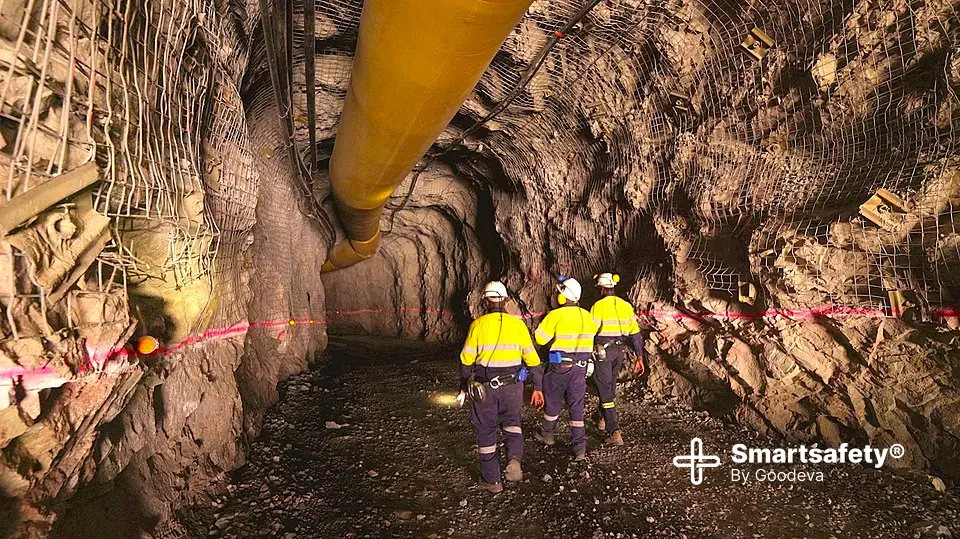
Risiko K3 Tersembunyi yang Tidak Terdeteksi oleh Sistem Manual
Banyak perusahaan merasa sudah mengelola keselamatan kerja dengan baik hanya karena memiliki SOP, checklist harian, dan laporan inspeksi rutin. Namun kenyataannya, sebagian besar risiko K3 di tempat kerja justru tidak terlihat oleh sistem manual semacam ini—bukan karena risikonya kecil, melainkan karena sistem pengawasan yang ada tidak dirancang untuk menangkap kondisi yang berkembang secara dinamis di lapangan.1. Mengapa Sistem Manual Cenderung Melewatkan Risiko yang Sebenarnya KritisInspeksi manual biasanya dilakukan secara berkala—harian, mingguan, atau bahkan hanya saat audit. Masalahnya, kondisi berisiko di lapangan tidak menunggu jadwal inspeksi untuk muncul. Sebuah alat yang mulai aus, pekerja yang mulai kehilangan konsentrasi, atau prosedur yang mulai dilanggar secara diam-diam bisa berlangsung berhari-hari sebelum akhirnya tercatat oleh sistem manual—jika sempat tercatat sama sekali.2. Penyebab Kecelakaan Kerja yang Sering Luput dari RadarKetika ditelusuri lebih dalam, penyebab kecelakaan kerja yang sebenarnya sering kali bukan kegagalan alat atau pelanggaran SOP yang mencolok, melainkan akumulasi kondisi kecil yang tidak pernah dipantau secara sistematis: beban kerja yang menumpuk, jam istirahat yang terpotong, atau rotasi shift yang tidak proporsional. Sistem manual cenderung baru mendeteksi masalah ini setelah insiden terjadi, bukan sebelum insiden itu berkembang.3. Kelelahan Kerja sebagai Risiko yang Paling Sering DiremehkanSalah satu kategori risiko yang paling konsisten luput dari sistem manual adalah kelelahan. Kelelahan kerja adalah kondisi yang berkembang secara bertahap dan sangat sulit dinilai secara objektif oleh pengawas maupun oleh pekerja itu sendiri, karena kesadaran seseorang terhadap tingkat kelelahannya justru menurun seiring bertambahnya rasa lelah. Tanpa alat ukur yang objektif, fatigue kerja hanya akan terdeteksi setelah performa pekerja benar-benar menurun drastis—atau lebih buruk, setelah insiden terjadi.4. Dari Risiko yang Tersembunyi ke Sistem yang Bisa MelihatnyaRisiko-risiko ini sebenarnya bukan tidak bisa dideteksi—hanya saja sistem manual tidak memiliki kemampuan untuk memantaunya secara berkelanjutan. Di sinilah pendekatan berbasis monitoring sistemis menjadi krusial, karena mampu menangkap pola risiko sejak tahap awal, jauh sebelum berkembang menjadi kecelakaan. Topik ini dibahas lebih lanjut dalam artikel sistem monitoring keselamatan, sekaligus terkait erat dengan bagaimana sistem manajemen K3 yang baik seharusnya tidak hanya berhenti pada kebijakan, tetapi juga didukung oleh kemampuan deteksi dini—sebagaimana diulas dalam artikel SMK3 dan monitoring system.Risiko K3 di tempat kerja yang paling berbahaya sering kali bukan yang paling terlihat, melainkan yang paling konsisten luput dari sistem pengawasan manual. Perusahaan yang ingin benar-benar menekan angka kecelakaan perlu bergeser dari pendekatan inspeksi berkala menuju sistem yang mampu memantau kondisi lapangan secara berkelanjutan. Ingin tahu risiko tersembunyi apa saja yang mungkin belum terdeteksi di lokasi kerja Anda? Jadwalkan demo sekarang dan diskusikan langsung dengan tim Smartsafety.
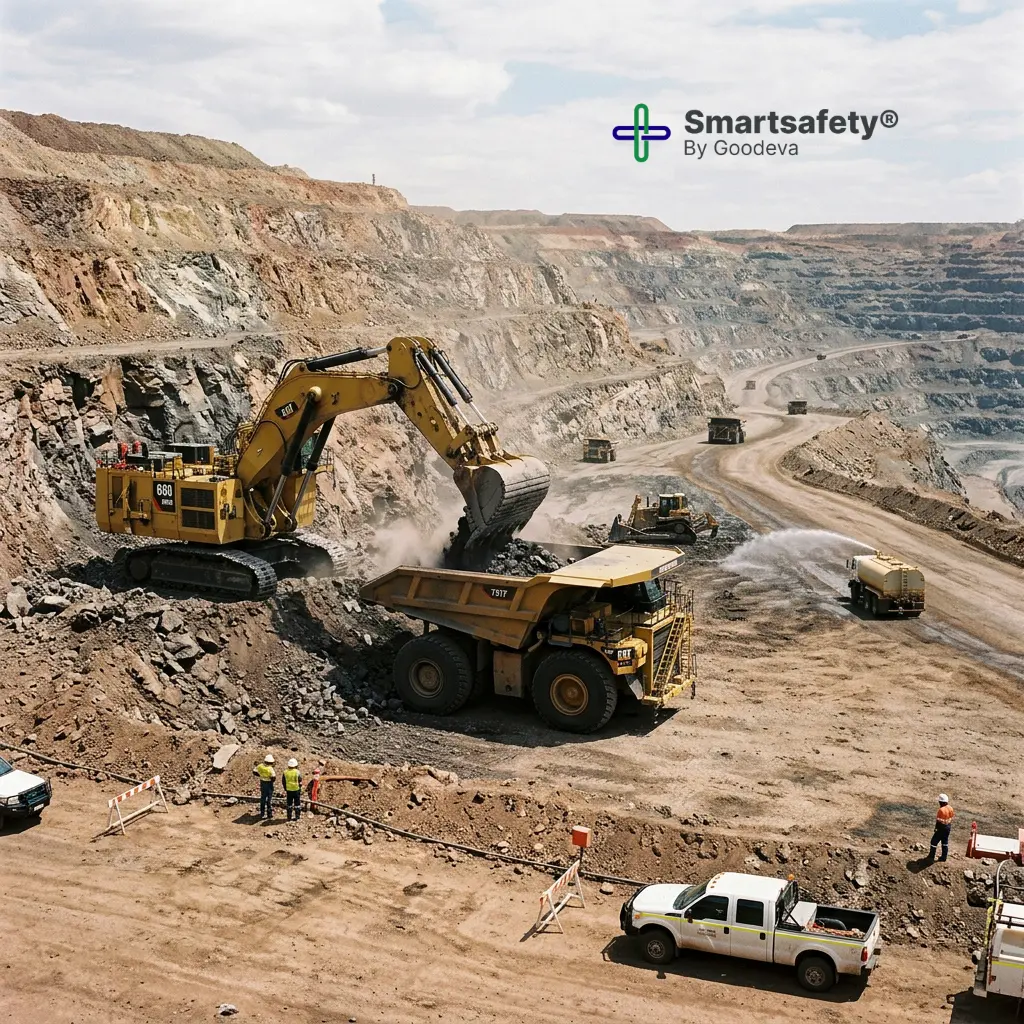
Mengapa Fatigue Risk Management System Saja Tidak Cukup Tanpa Dukungan Software
Banyak perusahaan di industri berisiko tinggi sudah memiliki fatigue risk management system (FRMS) dalam bentuk kebijakan tertulis: aturan rotasi shift, batas jam kerja, hingga prosedur pelaporan kelelahan. Namun kebijakan yang baik di atas kertas tidak otomatis berarti risiko kelelahan benar-benar terkendali di lapangan. Tidak sedikit perusahaan yang memiliki dokumen FRMS lengkap dan sudah diaudit, tetapi tetap mencatat insiden terkait kelelahan karena implementasinya berhenti di level administratif.1. FRMS sebagai Kerangka Kebijakan, Bukan Alat OperasionalFRMS pada dasarnya adalah kerangka tata kelola: ia menentukan bagaimana perusahaan seharusnya mengelola risiko kelelahan secara sistemis. Namun kerangka ini tidak memiliki kemampuan untuk memantau kondisi pekerja secara langsung. Tanpa alat pendukung, penerapan FRMS sangat bergantung pada kepatuhan manual—jadwal yang dicatat, laporan yang diisi sendiri oleh pekerja, dan pengawasan berkala yang mudah terlewat, terutama pada shift malam atau lokasi kerja yang tersebar.2. Kesenjangan Antara Kebijakan dan Kondisi Nyata di LapanganSebuah FRMS bisa saja mewajibkan istirahat setiap delapan jam kerja, namun tidak dapat mendeteksi jika seorang pekerja sudah menunjukkan tanda kelelahan jauh lebih awal dari jadwal tersebut. Di sinilah kesenjangan paling umum terjadi: kebijakan berjalan sesuai jadwal administratif, sementara kondisi fisik pekerja berjalan mengikuti ritme yang berbeda—dipengaruhi oleh beban kerja, kualitas tidur, hingga kondisi kesehatan masing-masing individu yang tidak selalu seragam.3. Mengapa FRMS Membutuhkan Fatigue Monitoring SystemUntuk menutup kesenjangan ini, FRMS perlu didukung oleh fatigue monitoring system yang mampu memantau kondisi pekerja secara berkelanjutan, bukan hanya pada titik-titik pemeriksaan terjadwal—sebagaimana dibahas dalam artikel real-time fatigue monitoring. Data pemantauan inilah yang memberikan bukti objektif tentang kapan kebijakan FRMS benar-benar perlu diaktifkan, misalnya kapan rotasi shift dipercepat atau kapan operator perlu dihentikan sementara, alih-alih mengandalkan jadwal kaku yang sama untuk setiap kondisi.4. Menghubungkan FRMS dengan Fatigue Detection System dan Software PendukungFRMS yang kuat idealnya terhubung dengan fatigue detection system untuk mengenali tanda-tanda kelelahan secara otomatis, serta platform fatigue management system yang mengubah kebijakan FRMS menjadi alur kerja yang berjalan sendiri—notifikasi otomatis, eskalasi ke supervisor, hingga pencatatan kepatuhan untuk kebutuhan audit. Tanpa dukungan software, FRMS tetap menjadi dokumen kebijakan yang baik namun sulit dijalankan secara konsisten di lapangan yang dinamis, dan sulit dibuktikan efektivitasnya saat diperlukan untuk kepentingan pelaporan atau audit eksternal.FRMS memberikan arah kebijakan, tetapi tidak bisa berjalan sendiri tanpa dukungan sistem yang mampu memantau dan mendeteksi kondisi pekerja secara real-time. Smartsafety dirancang untuk menjembatani kesenjangan ini, menghadirkan platform fatigue management software yang menjadikan setiap kebijakan FRMS benar-benar dapat ditegakkan di lapangan, bukan hanya tertulis di atas kertas. Ingin tahu bagaimana Smartsafety dapat menjembatani kebijakan FRMS perusahaan Anda dengan sistem pemantauan real-time? Jadwalkan demo gratis sekarang dan lihat langsung bagaimana platform kami bekerja untuk industri Anda.