The Importance of Fatigue Management in Companies
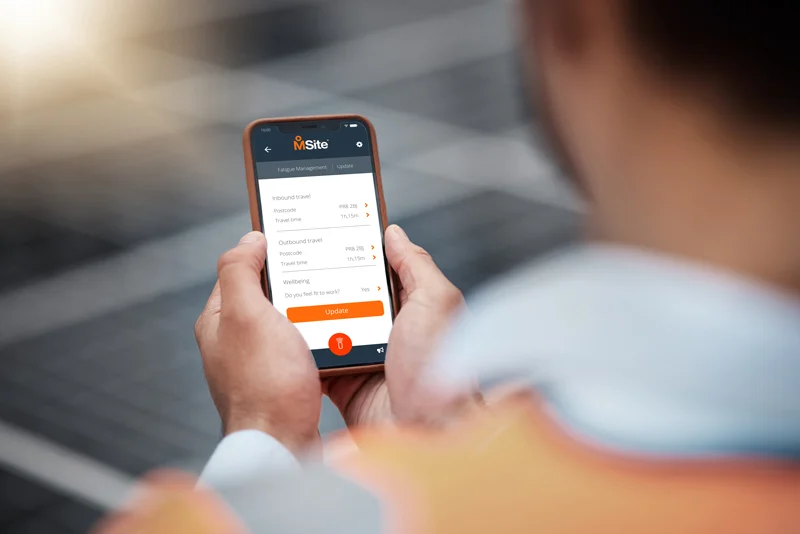
Fatigue is a prevalent issue in today's fast-paced corporate world. It can significantly impact employee performance, safety, and overall well-being. Effective fatigue management is crucial for maintaining a productive and healthy workforce. This article delves into the importance of fatigue management in companies, exploring its causes, effects, and strategies to mitigate its impact.
Understanding Fatigue
Definition of Fatigue
Fatigue is a state of physical and mental exhaustion that can be caused by prolonged work hours, inadequate rest, and high-stress levels. It reduces the ability to perform tasks effectively and safely.
Causes of Fatigue in the Workplace
Long Working Hours: Extended shifts and overtime can lead to insufficient rest and recovery time.
High Workload: Excessive workload without adequate breaks can overwhelm employees.
Shift Work: Irregular work hours disrupt the natural circadian rhythm, leading to chronic fatigue.
Work-Related Stress: High-pressure environments and tight deadlines contribute to mental exhaustion.
Personal Factors: Poor sleep hygiene, lifestyle choices, and health issues can exacerbate fatigue.
-Impact of Fatigue on Employees
Reduced Productivity
Fatigue leads to decreased cognitive function, concentration, and decision-making abilities. Employees become less efficient, make more errors, and take longer to complete tasks. This decline in productivity can affect the company's bottom line.
Increased Safety Risks
Fatigued employees are more prone to accidents and injuries. In industries like manufacturing, construction, and transportation, where safety is paramount, fatigue can have disastrous consequences. It impairs reaction time, coordination, and situational awareness.
Health Issues
Chronic fatigue can lead to various health problems, including cardiovascular diseases, obesity, diabetes, and mental health disorders like depression and anxiety. These conditions can result in increased absenteeism and healthcare costs for the company.
Employee Morale and Engagement
Persistent fatigue negatively affects employee morale and job satisfaction. When employees feel constantly exhausted, they are less likely to be engaged and motivated. This can lead to higher turnover rates and difficulty in retaining top talent.
-The Importance of Fatigue Management
Enhancing Employee Well-being
Prioritizing fatigue management demonstrates a company's commitment to employee health and well-being. Providing adequate rest breaks, promoting a healthy work-life balance, and encouraging proper sleep hygiene can significantly improve employees' quality of life.
Improving Productivity and Efficiency
By addressing fatigue, companies can enhance productivity and efficiency. Well-rested employees are more alert, focused, and capable of performing their tasks accurately and swiftly. This leads to better overall performance and output.
Reducing Accidents and Injuries
Implementing fatigue management strategies can significantly reduce the risk of workplace accidents and injuries. Ensuring employees are well-rested and alert minimizes the chances of errors and mishaps, fostering a safer work environment.
Boosting Employee Morale and Retention
Employees who feel valued and supported are more likely to stay with the company. Effective fatigue management enhances job satisfaction, morale, and engagement, leading to higher retention rates and a more positive workplace culture.
Strategies for Fatigue Management
Work Schedule Optimization
Flexible Working Hours: Allow employees to have flexible work schedules to accommodate their personal needs and ensure adequate rest.
Limit Overtime: Regulate overtime hours and ensure employees do not work excessively long shifts.
Shift Rotation: Implement a rotating shift schedule to prevent prolonged periods of night shifts and promote a balanced circadian rhythm.
Promote Rest and Breaks
Regular Breaks: Encourage employees to take regular breaks during their shifts to rest and recharge.
Rest Areas: Provide comfortable and quiet rest areas where employees can relax during their breaks.
Health and Wellness Programs
Sleep Education: Educate employees on the importance of good sleep hygiene and provide resources for improving sleep quality.
Stress Management: Offer stress management programs, including relaxation techniques, counseling, and mindfulness training.
Fitness and Nutrition: Promote physical fitness and healthy eating habits to improve overall health and energy levels.
Monitor and Address Workload
Reasonable Workload: Ensure that employees' workloads are manageable and realistic to prevent burnout.
Resource Allocation: Allocate resources effectively to avoid overburdening employees and distribute tasks evenly.
Technology and Ergonomics
Ergonomic Workstations: Design workstations ergonomically to reduce physical strain and discomfort.
Fatigue Monitoring Technology: Utilize technology to monitor fatigue levels and identify high-risk periods.
The Need for a Comprehensive Fatigue Management System
Given the critical importance of fatigue management in ensuring employee well-being and productivity, it is essential to implement a robust system to support these efforts. This is where SmartSafety comes in—a state-of-the-art fatigue prevention system, recognized as the number one solution in Indonesia. Utilizing advanced IoT wearables technology, SmartSafety helps workers avoid fatigue by employing sleep sufficiency monitoring methods.
Why SmartSafety is Essential
Advanced Monitoring Capabilities:
SmartSafety leverages cutting-edge IoT wearables to continuously monitor employees' sleep patterns. This real-time data collection provides valuable insights into whether workers are getting adequate rest, allowing for timely interventions to prevent fatigue.Proactive Fatigue Prevention:
By identifying potential fatigue issues before they escalate, SmartSafety enables proactive measures to be taken. This includes adjusting work schedules, providing additional rest periods, or offering targeted health and wellness programs to ensure employees are well-rested and alert.Enhanced Employee Well-being:
Ensuring sufficient sleep is a cornerstone of fatigue management. SmartSafety's monitoring system helps employees understand their sleep needs and encourages better sleep hygiene, leading to improved overall health and reduced risk of chronic conditions associated with fatigue.Increased Productivity and Efficiency:
Well-rested employees are more productive and efficient. SmartSafety's ability to monitor and manage sleep sufficiency means that workers are more likely to be alert, focused, and capable of performing their tasks accurately and swiftly, benefiting the company's overall performance.Safety and Risk Reduction:
Fatigue is a significant factor in workplace accidents and injuries. By preventing fatigue through effective sleep monitoring, SmartSafety helps create a safer work environment, reducing the likelihood of errors and mishaps that can result in serious consequences.Support for Corporate Health Initiatives:
SmartSafety aligns with corporate health and wellness initiatives by providing a comprehensive solution to monitor and improve employee sleep health. This demonstrates a company's commitment to its workforce's well-being, fostering a positive workplace culture and enhancing employee morale and retention.
The implementation of SmartSafety is a crucial step for companies aiming to effectively manage fatigue. By utilizing advanced IoT wearables to monitor sleep sufficiency, SmartSafety helps prevent fatigue, enhances employee well-being, boosts productivity, and reduces safety risks.
As the leading fatigue prevention system in Indonesia, SmartSafety offers a comprehensive solution to support companies in creating a healthier, safer, and more productive work environment.
Related Post
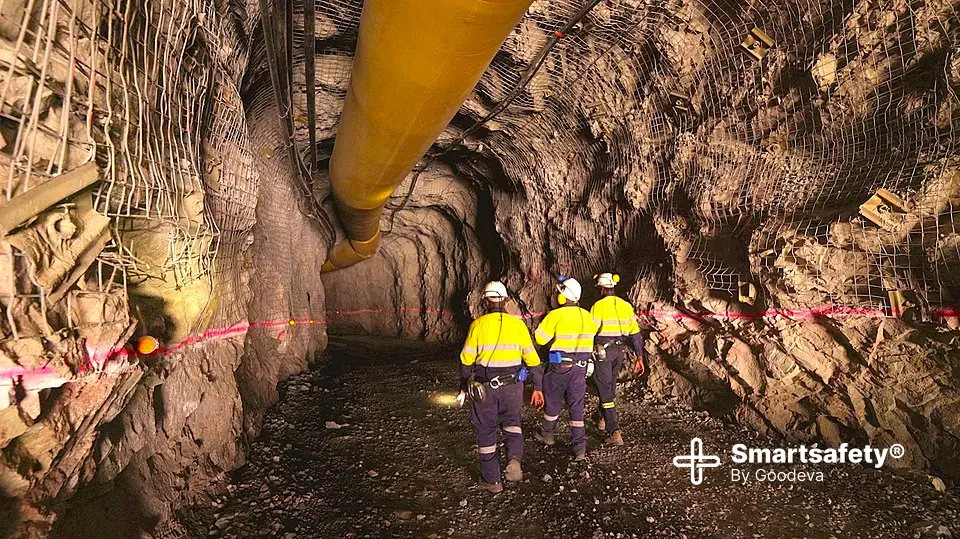
Risiko K3 Tersembunyi yang Tidak Terdeteksi oleh Sistem Manual
Banyak perusahaan merasa sudah mengelola keselamatan kerja dengan baik hanya karena memiliki SOP, checklist harian, dan laporan inspeksi rutin. Namun kenyataannya, sebagian besar risiko K3 di tempat kerja justru tidak terlihat oleh sistem manual semacam ini—bukan karena risikonya kecil, melainkan karena sistem pengawasan yang ada tidak dirancang untuk menangkap kondisi yang berkembang secara dinamis di lapangan.1. Mengapa Sistem Manual Cenderung Melewatkan Risiko yang Sebenarnya KritisInspeksi manual biasanya dilakukan secara berkala—harian, mingguan, atau bahkan hanya saat audit. Masalahnya, kondisi berisiko di lapangan tidak menunggu jadwal inspeksi untuk muncul. Sebuah alat yang mulai aus, pekerja yang mulai kehilangan konsentrasi, atau prosedur yang mulai dilanggar secara diam-diam bisa berlangsung berhari-hari sebelum akhirnya tercatat oleh sistem manual—jika sempat tercatat sama sekali.2. Penyebab Kecelakaan Kerja yang Sering Luput dari RadarKetika ditelusuri lebih dalam, penyebab kecelakaan kerja yang sebenarnya sering kali bukan kegagalan alat atau pelanggaran SOP yang mencolok, melainkan akumulasi kondisi kecil yang tidak pernah dipantau secara sistematis: beban kerja yang menumpuk, jam istirahat yang terpotong, atau rotasi shift yang tidak proporsional. Sistem manual cenderung baru mendeteksi masalah ini setelah insiden terjadi, bukan sebelum insiden itu berkembang.3. Kelelahan Kerja sebagai Risiko yang Paling Sering DiremehkanSalah satu kategori risiko yang paling konsisten luput dari sistem manual adalah kelelahan. Kelelahan kerja adalah kondisi yang berkembang secara bertahap dan sangat sulit dinilai secara objektif oleh pengawas maupun oleh pekerja itu sendiri, karena kesadaran seseorang terhadap tingkat kelelahannya justru menurun seiring bertambahnya rasa lelah. Tanpa alat ukur yang objektif, fatigue kerja hanya akan terdeteksi setelah performa pekerja benar-benar menurun drastis—atau lebih buruk, setelah insiden terjadi.4. Dari Risiko yang Tersembunyi ke Sistem yang Bisa MelihatnyaRisiko-risiko ini sebenarnya bukan tidak bisa dideteksi—hanya saja sistem manual tidak memiliki kemampuan untuk memantaunya secara berkelanjutan. Di sinilah pendekatan berbasis monitoring sistemis menjadi krusial, karena mampu menangkap pola risiko sejak tahap awal, jauh sebelum berkembang menjadi kecelakaan. Topik ini dibahas lebih lanjut dalam artikel sistem monitoring keselamatan, sekaligus terkait erat dengan bagaimana sistem manajemen K3 yang baik seharusnya tidak hanya berhenti pada kebijakan, tetapi juga didukung oleh kemampuan deteksi dini—sebagaimana diulas dalam artikel SMK3 dan monitoring system.Risiko K3 di tempat kerja yang paling berbahaya sering kali bukan yang paling terlihat, melainkan yang paling konsisten luput dari sistem pengawasan manual. Perusahaan yang ingin benar-benar menekan angka kecelakaan perlu bergeser dari pendekatan inspeksi berkala menuju sistem yang mampu memantau kondisi lapangan secara berkelanjutan. Ingin tahu risiko tersembunyi apa saja yang mungkin belum terdeteksi di lokasi kerja Anda? Jadwalkan demo sekarang dan diskusikan langsung dengan tim Smartsafety.
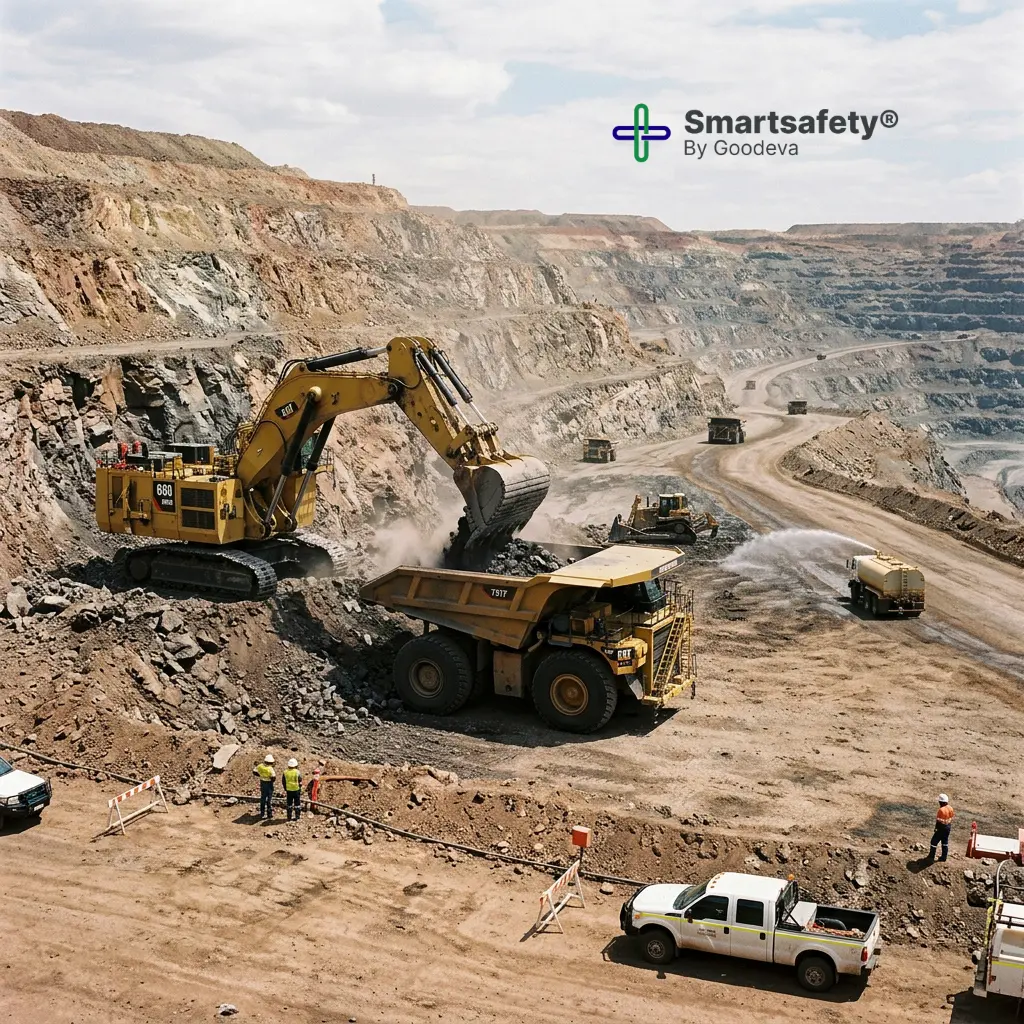
Mengapa Fatigue Risk Management System Saja Tidak Cukup Tanpa Dukungan Software
Banyak perusahaan di industri berisiko tinggi sudah memiliki fatigue risk management system (FRMS) dalam bentuk kebijakan tertulis: aturan rotasi shift, batas jam kerja, hingga prosedur pelaporan kelelahan. Namun kebijakan yang baik di atas kertas tidak otomatis berarti risiko kelelahan benar-benar terkendali di lapangan. Tidak sedikit perusahaan yang memiliki dokumen FRMS lengkap dan sudah diaudit, tetapi tetap mencatat insiden terkait kelelahan karena implementasinya berhenti di level administratif.1. FRMS sebagai Kerangka Kebijakan, Bukan Alat OperasionalFRMS pada dasarnya adalah kerangka tata kelola: ia menentukan bagaimana perusahaan seharusnya mengelola risiko kelelahan secara sistemis. Namun kerangka ini tidak memiliki kemampuan untuk memantau kondisi pekerja secara langsung. Tanpa alat pendukung, penerapan FRMS sangat bergantung pada kepatuhan manual—jadwal yang dicatat, laporan yang diisi sendiri oleh pekerja, dan pengawasan berkala yang mudah terlewat, terutama pada shift malam atau lokasi kerja yang tersebar.2. Kesenjangan Antara Kebijakan dan Kondisi Nyata di LapanganSebuah FRMS bisa saja mewajibkan istirahat setiap delapan jam kerja, namun tidak dapat mendeteksi jika seorang pekerja sudah menunjukkan tanda kelelahan jauh lebih awal dari jadwal tersebut. Di sinilah kesenjangan paling umum terjadi: kebijakan berjalan sesuai jadwal administratif, sementara kondisi fisik pekerja berjalan mengikuti ritme yang berbeda—dipengaruhi oleh beban kerja, kualitas tidur, hingga kondisi kesehatan masing-masing individu yang tidak selalu seragam.3. Mengapa FRMS Membutuhkan Fatigue Monitoring SystemUntuk menutup kesenjangan ini, FRMS perlu didukung oleh fatigue monitoring system yang mampu memantau kondisi pekerja secara berkelanjutan, bukan hanya pada titik-titik pemeriksaan terjadwal—sebagaimana dibahas dalam artikel real-time fatigue monitoring. Data pemantauan inilah yang memberikan bukti objektif tentang kapan kebijakan FRMS benar-benar perlu diaktifkan, misalnya kapan rotasi shift dipercepat atau kapan operator perlu dihentikan sementara, alih-alih mengandalkan jadwal kaku yang sama untuk setiap kondisi.4. Menghubungkan FRMS dengan Fatigue Detection System dan Software PendukungFRMS yang kuat idealnya terhubung dengan fatigue detection system untuk mengenali tanda-tanda kelelahan secara otomatis, serta platform fatigue management system yang mengubah kebijakan FRMS menjadi alur kerja yang berjalan sendiri—notifikasi otomatis, eskalasi ke supervisor, hingga pencatatan kepatuhan untuk kebutuhan audit. Tanpa dukungan software, FRMS tetap menjadi dokumen kebijakan yang baik namun sulit dijalankan secara konsisten di lapangan yang dinamis, dan sulit dibuktikan efektivitasnya saat diperlukan untuk kepentingan pelaporan atau audit eksternal.FRMS memberikan arah kebijakan, tetapi tidak bisa berjalan sendiri tanpa dukungan sistem yang mampu memantau dan mendeteksi kondisi pekerja secara real-time. Smartsafety dirancang untuk menjembatani kesenjangan ini, menghadirkan platform fatigue management software yang menjadikan setiap kebijakan FRMS benar-benar dapat ditegakkan di lapangan, bukan hanya tertulis di atas kertas. Ingin tahu bagaimana Smartsafety dapat menjembatani kebijakan FRMS perusahaan Anda dengan sistem pemantauan real-time? Jadwalkan demo gratis sekarang dan lihat langsung bagaimana platform kami bekerja untuk industri Anda.