Understanding Workplace Fatigue and Its Risks
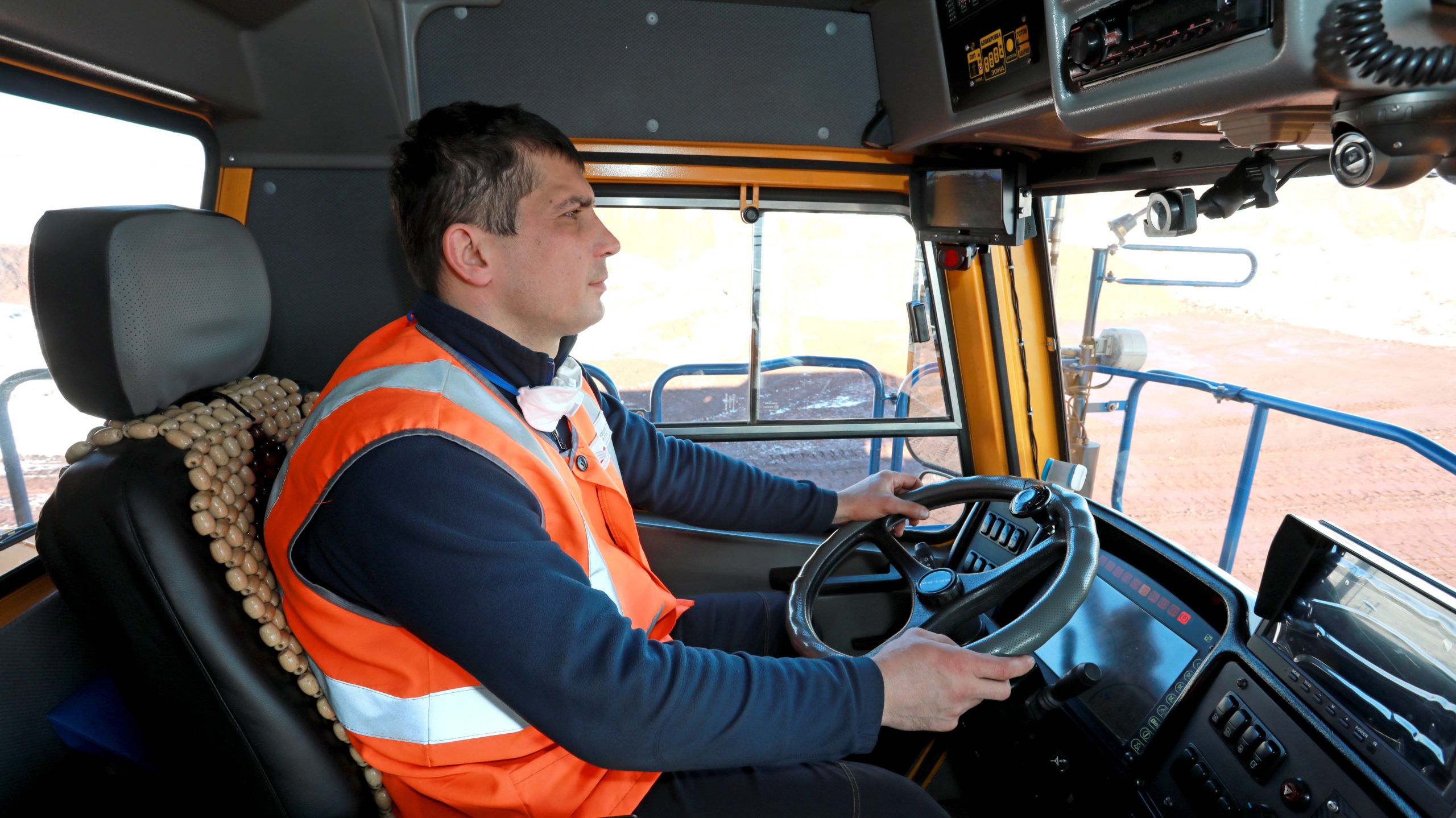
In the fast-paced and often hazardous environments of industries such as mining, construction, and transportation, maintaining a robust Safety Management System (SMS) is paramount. These systems are designed to identify, manage, and mitigate risks, ensuring that employees operate in safe conditions. Among the various hazards that an SMS addresses, workplace fatigue stands out as a critical issue that requires specialized attention. Fatigue, if left unmanaged, can lead to severe accidents and injuries, making it essential for organizations to incorporate a comprehensive Fatigue Management System (FMS) into their safety protocols.
Understanding Workplace Fatigue and Its Risks
Fatigue in the workplace is a significant risk factor that can severely impair an employee's ability to perform their duties safely. Unlike other hazards that might be more apparent, fatigue is an insidious issue that can affect cognitive function, decision-making, and motor skills. When workers are fatigued, they are more prone to making mistakes, have slower reaction times, and may even experience microsleeps, where they briefly lose consciousness for a few seconds. These effects can lead to catastrophic incidents, particularly in high-risk industries where precision and alertness are critical.
A study by the National Safety Council (NSC) found that fatigue-related accidents cost employers over $136 billion annually in health-related lost productivity. Moreover, fatigued workers are three times more likely to be involved in a workplace accident than their well-rested counterparts . These statistics underscore the importance of addressing fatigue within an organization's SMS.
The Role of Fatigue Management Systems in Enhancing Workplace Safety
To effectively combat workplace fatigue, organizations must implement a Fatigue Management System (FMS) as part of their overall safety strategy. An FMS is a structured approach to managing the risks associated with fatigue, ensuring that employees are fit for duty and capable of performing their tasks safely. The Smartsafety Fatigue Management System is one such solution that has been designed to address these challenges head-on.
The Importance of Monitoring Sleep
One of the most effective ways to manage fatigue is by monitoring and ensuring that employees get adequate sleep. Sleep is a crucial factor in maintaining cognitive function and physical health, and without sufficient rest, workers are more likely to experience the detrimental effects of fatigue. According to the National Sleep Foundation, adults typically need between 7 to 9 hours of sleep per night to function optimally . However, in demanding work environments, employees often struggle to achieve this amount of rest, leading to increased fatigue and a higher risk of accidents.
The Smartsafety Fatigue Management System addresses this issue by utilizing cutting-edge IoT technology and wearable devices to monitor employees' sleep patterns. This system tracks the number of hours each worker sleeps and assesses their readiness for duty based on their sleep history. By integrating this data into the organization's SMS, supervisors can make informed decisions about whether an employee is fit to work or needs additional rest before taking on their duties.
Leveraging IoT and Wearable Technology for Fatigue Management
The Smartsafety Fatigue Management System stands out for its innovative use of IoT (Internet of Things) and wearable technology. These technologies enable real-time monitoring of employees' sleep and alertness levels, providing valuable data that can be used to enhance workplace safety.
How Smartsafety Works
The Smartsafety system equips employees with wearable devices that track various physiological indicators, such as heart rate and movement, to determine the quality and quantity of their sleep. This data is then transmitted to an IoT dashboard, where it is analyzed and presented to supervisors in a user-friendly format. The dashboard allows supervisors to monitor the sleep records of their entire workforce and identify individuals who may be at risk of fatigue.
For example, if an employee's sleep data indicates that they have not had enough rest, the system can alert supervisors before the worker begins their shift. This proactive approach ensures that fatigued employees are not placed in high-risk situations where their impaired alertness could lead to accidents. Moreover, the data collected by Smartsafety can be used to identify patterns and trends, allowing organizations to make long-term adjustments to work schedules and improve overall safety.
Proven Success in Reducing Fatigue-Related Accidents
The effectiveness of the Smartsafety Fatigue Management System has been demonstrated in real-world applications. Since its implementation in 15 sites across Indonesia, the system has been used by thousands of workers and has contributed to a significant reduction in fatigue-related accidents. By ensuring that employees are well-rested and alert, Smartsafety has helped create safer working environments and has reinforced the importance of integrating FMS into an organization's SMS.
The Broader Impact of Fatigue Management on Organizational Safety
Incorporating a Fatigue Management System into an organization's SMS not only reduces the risk of accidents but also promotes a culture of safety and well-being. When employees see that their company is actively monitoring and managing fatigue, they are more likely to take their own well-being seriously and adhere to safety protocols. This can lead to improved morale, reduced absenteeism, and a more productive workforce overall.
The Role of Fatigue Management in Compliance and Regulation
In addition to improving safety and productivity, an FMS can also help organizations stay compliant with industry regulations and standards. Many industries, particularly those involving transportation and heavy machinery, have specific regulations regarding work hours and rest periods to prevent fatigue. By implementing a system like Smartsafety, companies can ensure they are meeting these regulatory requirements and avoiding potential fines or legal issues.
Furthermore, the data collected by an FMS can serve as valuable evidence in the event of an incident or audit, demonstrating that the organization has taken proactive steps to manage fatigue and protect its workers. This can be particularly important in industries where safety is closely scrutinized, and organizations are held to high standards of accountability.
Conclusion
Workplace fatigue is a critical issue that poses significant risks to both employees and organizations. By incorporating a Fatigue Management System like Smartsafety into a Safety Management System, companies can effectively monitor and manage fatigue, ensuring that their workforce remains alert, safe, and productive. The use of IoT and wearable technology in systems like Smartsafety represents a forward-thinking approach to workplace safety, providing real-time data that can prevent accidents before they occur. With proven success in reducing fatigue-related incidents, Smartsafety is a vital tool for any organization committed to maintaining the highest standards of safety and well-being for its employees.
Sources:
National Safety Council. (n.d.). The Fatigue Cost Calculator. Retrieved from https://www.nsc.org/work-safety/safety-topics/fatigue/fatigue-cost-calculator
National Sleep Foundation. (n.d.). How Much Sleep Do We Really Need? Retrieved from https://www.sleepfoundation.org/how-sleep-works/how-much-sleep-do-we-really-need
Smartsafety Management System : https://goodeva.co.id/goodeva-smart-safety
Related Post
Risiko K3 Tersembunyi yang Tidak Terdeteksi oleh Sistem Manual
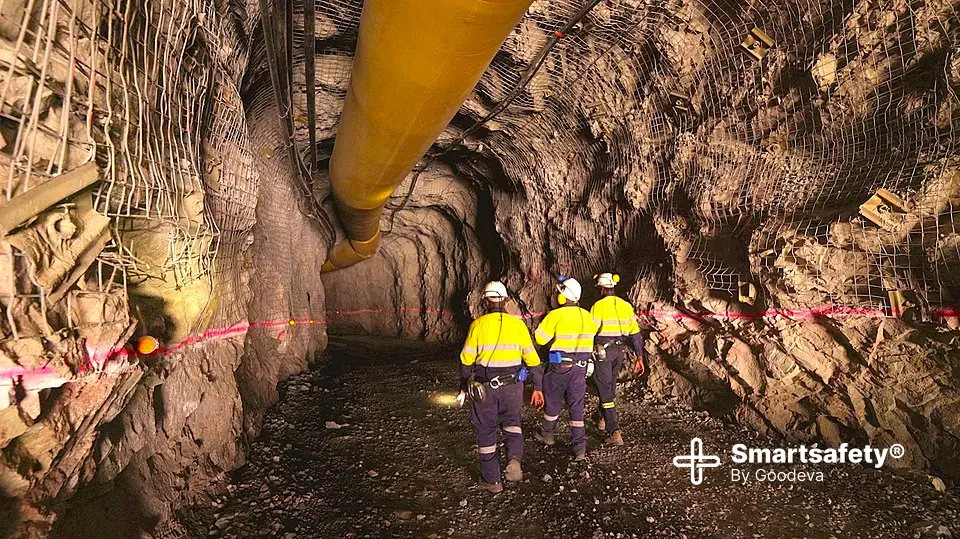
Banyak perusahaan merasa sudah mengelola keselamatan kerja dengan baik hanya karena memiliki SOP, checklist harian, dan laporan inspeksi rutin. Namun kenyataannya, sebagian besar risiko K3 di tempat kerja justru tidak terlihat oleh sistem manual semacam ini—bukan karena risikonya kecil, melainkan karena sistem pengawasan yang ada tidak dirancang untuk menangkap kondisi yang berkembang secara dinamis di lapangan.1. Mengapa Sistem Manual Cenderung Melewatkan Risiko yang Sebenarnya KritisInspeksi manual biasanya dilakukan secara berkala—harian, mingguan, atau bahkan hanya saat audit. Masalahnya, kondisi berisiko di lapangan tidak menunggu jadwal inspeksi untuk muncul. Sebuah alat yang mulai aus, pekerja yang mulai kehilangan konsentrasi, atau prosedur yang mulai dilanggar secara diam-diam bisa berlangsung berhari-hari sebelum akhirnya tercatat oleh sistem manual—jika sempat tercatat sama sekali.2. Penyebab Kecelakaan Kerja yang Sering Luput dari RadarKetika ditelusuri lebih dalam, penyebab kecelakaan kerja yang sebenarnya sering kali bukan kegagalan alat atau pelanggaran SOP yang mencolok, melainkan akumulasi kondisi kecil yang tidak pernah dipantau secara sistematis: beban kerja yang menumpuk, jam istirahat yang terpotong, atau rotasi shift yang tidak proporsional. Sistem manual cenderung baru mendeteksi masalah ini setelah insiden terjadi, bukan sebelum insiden itu berkembang.3. Kelelahan Kerja sebagai Risiko yang Paling Sering DiremehkanSalah satu kategori risiko yang paling konsisten luput dari sistem manual adalah kelelahan. Kelelahan kerja adalah kondisi yang berkembang secara bertahap dan sangat sulit dinilai secara objektif oleh pengawas maupun oleh pekerja itu sendiri, karena kesadaran seseorang terhadap tingkat kelelahannya justru menurun seiring bertambahnya rasa lelah. Tanpa alat ukur yang objektif, fatigue kerja hanya akan terdeteksi setelah performa pekerja benar-benar menurun drastis—atau lebih buruk, setelah insiden terjadi.4. Dari Risiko yang Tersembunyi ke Sistem yang Bisa MelihatnyaRisiko-risiko ini sebenarnya bukan tidak bisa dideteksi—hanya saja sistem manual tidak memiliki kemampuan untuk memantaunya secara berkelanjutan. Di sinilah pendekatan berbasis monitoring sistemis menjadi krusial, karena mampu menangkap pola risiko sejak tahap awal, jauh sebelum berkembang menjadi kecelakaan. Topik ini dibahas lebih lanjut dalam artikel sistem monitoring keselamatan, sekaligus terkait erat dengan bagaimana sistem manajemen K3 yang baik seharusnya tidak hanya berhenti pada kebijakan, tetapi juga didukung oleh kemampuan deteksi dini—sebagaimana diulas dalam artikel SMK3 dan monitoring system.Risiko K3 di tempat kerja yang paling berbahaya sering kali bukan yang paling terlihat, melainkan yang paling konsisten luput dari sistem pengawasan manual. Perusahaan yang ingin benar-benar menekan angka kecelakaan perlu bergeser dari pendekatan inspeksi berkala menuju sistem yang mampu memantau kondisi lapangan secara berkelanjutan. Ingin tahu risiko tersembunyi apa saja yang mungkin belum terdeteksi di lokasi kerja Anda? Jadwalkan demo sekarang dan diskusikan langsung dengan tim Smartsafety.
Mengapa Fatigue Risk Management System Saja Tidak Cukup Tanpa Dukungan Software
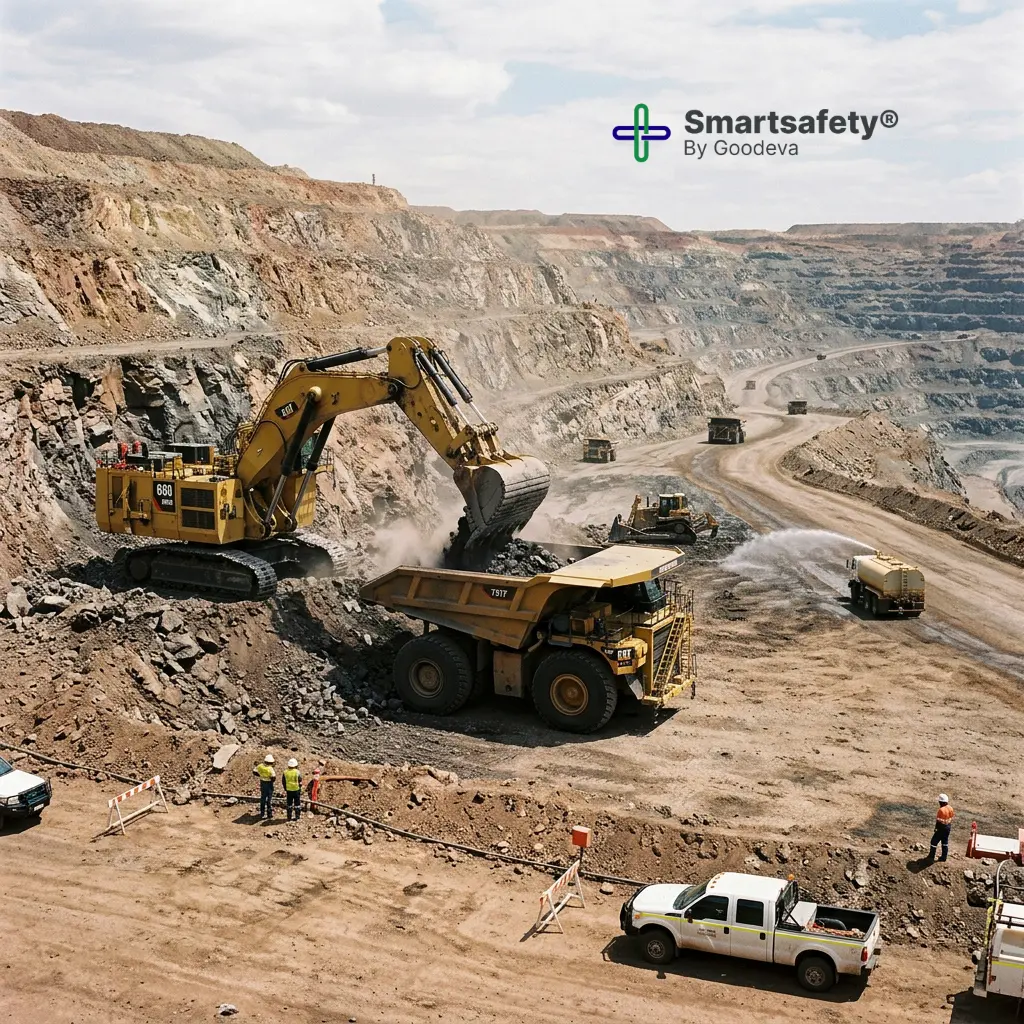
Banyak perusahaan di industri berisiko tinggi sudah memiliki fatigue risk management system (FRMS) dalam bentuk kebijakan tertulis: aturan rotasi shift, batas jam kerja, hingga prosedur pelaporan kelelahan. Namun kebijakan yang baik di atas kertas tidak otomatis berarti risiko kelelahan benar-benar terkendali di lapangan. Tidak sedikit perusahaan yang memiliki dokumen FRMS lengkap dan sudah diaudit, tetapi tetap mencatat insiden terkait kelelahan karena implementasinya berhenti di level administratif.1. FRMS sebagai Kerangka Kebijakan, Bukan Alat OperasionalFRMS pada dasarnya adalah kerangka tata kelola: ia menentukan bagaimana perusahaan seharusnya mengelola risiko kelelahan secara sistemis. Namun kerangka ini tidak memiliki kemampuan untuk memantau kondisi pekerja secara langsung. Tanpa alat pendukung, penerapan FRMS sangat bergantung pada kepatuhan manual—jadwal yang dicatat, laporan yang diisi sendiri oleh pekerja, dan pengawasan berkala yang mudah terlewat, terutama pada shift malam atau lokasi kerja yang tersebar.2. Kesenjangan Antara Kebijakan dan Kondisi Nyata di LapanganSebuah FRMS bisa saja mewajibkan istirahat setiap delapan jam kerja, namun tidak dapat mendeteksi jika seorang pekerja sudah menunjukkan tanda kelelahan jauh lebih awal dari jadwal tersebut. Di sinilah kesenjangan paling umum terjadi: kebijakan berjalan sesuai jadwal administratif, sementara kondisi fisik pekerja berjalan mengikuti ritme yang berbeda—dipengaruhi oleh beban kerja, kualitas tidur, hingga kondisi kesehatan masing-masing individu yang tidak selalu seragam.3. Mengapa FRMS Membutuhkan Fatigue Monitoring SystemUntuk menutup kesenjangan ini, FRMS perlu didukung oleh fatigue monitoring system yang mampu memantau kondisi pekerja secara berkelanjutan, bukan hanya pada titik-titik pemeriksaan terjadwal—sebagaimana dibahas dalam artikel real-time fatigue monitoring. Data pemantauan inilah yang memberikan bukti objektif tentang kapan kebijakan FRMS benar-benar perlu diaktifkan, misalnya kapan rotasi shift dipercepat atau kapan operator perlu dihentikan sementara, alih-alih mengandalkan jadwal kaku yang sama untuk setiap kondisi.4. Menghubungkan FRMS dengan Fatigue Detection System dan Software PendukungFRMS yang kuat idealnya terhubung dengan fatigue detection system untuk mengenali tanda-tanda kelelahan secara otomatis, serta platform fatigue management system yang mengubah kebijakan FRMS menjadi alur kerja yang berjalan sendiri—notifikasi otomatis, eskalasi ke supervisor, hingga pencatatan kepatuhan untuk kebutuhan audit. Tanpa dukungan software, FRMS tetap menjadi dokumen kebijakan yang baik namun sulit dijalankan secara konsisten di lapangan yang dinamis, dan sulit dibuktikan efektivitasnya saat diperlukan untuk kepentingan pelaporan atau audit eksternal.FRMS memberikan arah kebijakan, tetapi tidak bisa berjalan sendiri tanpa dukungan sistem yang mampu memantau dan mendeteksi kondisi pekerja secara real-time. Smartsafety dirancang untuk menjembatani kesenjangan ini, menghadirkan platform fatigue management software yang menjadikan setiap kebijakan FRMS benar-benar dapat ditegakkan di lapangan, bukan hanya tertulis di atas kertas. Ingin tahu bagaimana Smartsafety dapat menjembatani kebijakan FRMS perusahaan Anda dengan sistem pemantauan real-time? Jadwalkan demo gratis sekarang dan lihat langsung bagaimana platform kami bekerja untuk industri Anda.