Workplace Accidents: Definition, Types, and Prevention Methods

Workplace safety is a crucial aspect of any business operation. Ensuring that employees work in a secure environment is not only a moral obligation but also a legal one. Despite all preventive measures, workplace accidents still occur, leading to injuries, loss of productivity, and, in severe cases, even fatalities. Understanding the nature of these accidents, their types, and the methods to prevent them is key to fostering a safer working environment.
Understanding Workplace Accidents
A workplace accident is an unforeseen and unplanned event that occurs in the workplace, leading to injury, illness, or even death. These accidents can result from a variety of factors, including unsafe working conditions, human error, mechanical failures, or a combination of these. The consequences of workplace accidents extend beyond the immediate physical harm to employees; they can also have significant financial implications for businesses, including medical costs, compensation claims, legal fees, and loss of productivity.
Common Types of Workplace Accidents
Workplace accidents come in many forms, each with its own causes and prevention strategies. Below are some of the most common types of accidents that occur in various industries:
1. Slips, Trips, and Falls
One of the most frequent types of workplace accidents, slips, trips, and falls can happen in any industry. These accidents often result from wet floors, uneven surfaces, poor lighting, or misplaced objects. Injuries from such accidents range from minor bruises to severe fractures or head injuries.
2. Machinery Accidents
Machinery accidents occur when workers operate heavy machinery without proper training or when safety protocols are not followed. These accidents can lead to severe injuries, including amputations, crushing injuries, or even death.
3. Falling Objects
Accidents involving falling objects are common in construction sites and warehouses. Improperly secured tools, materials, or equipment can fall from heights, causing significant injuries to workers below.
4. Electrical Accidents
Electrical accidents are particularly dangerous as they can lead to burns, shocks, or electrocution. These accidents often occur due to faulty wiring, exposed electrical components, or improper use of electrical equipment.
5. Chemical Exposure
In industries where hazardous chemicals are used, accidental exposure can lead to poisoning, chemical burns, or respiratory problems. Such accidents are typically the result of improper handling, storage, or disposal of chemicals.
6. Fatigue-Related Accidents
Fatigue-related accidents are a serious concern in industries that require long working hours, shift work, or high levels of concentration. Fatigue impairs cognitive function, slows reaction times, and increases the likelihood of errors, making it a significant risk factor for workplace accidents.
The Dangers of Fatigue in the Workplace
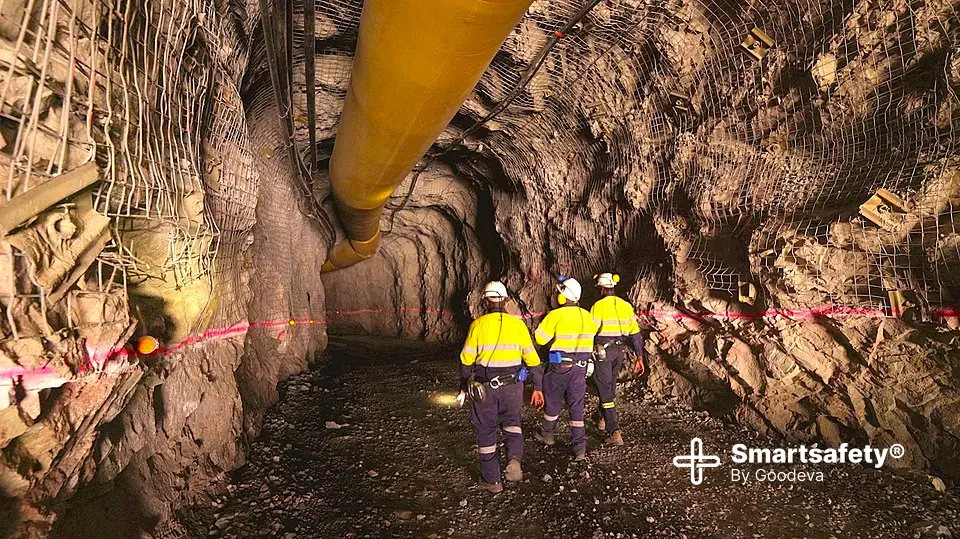
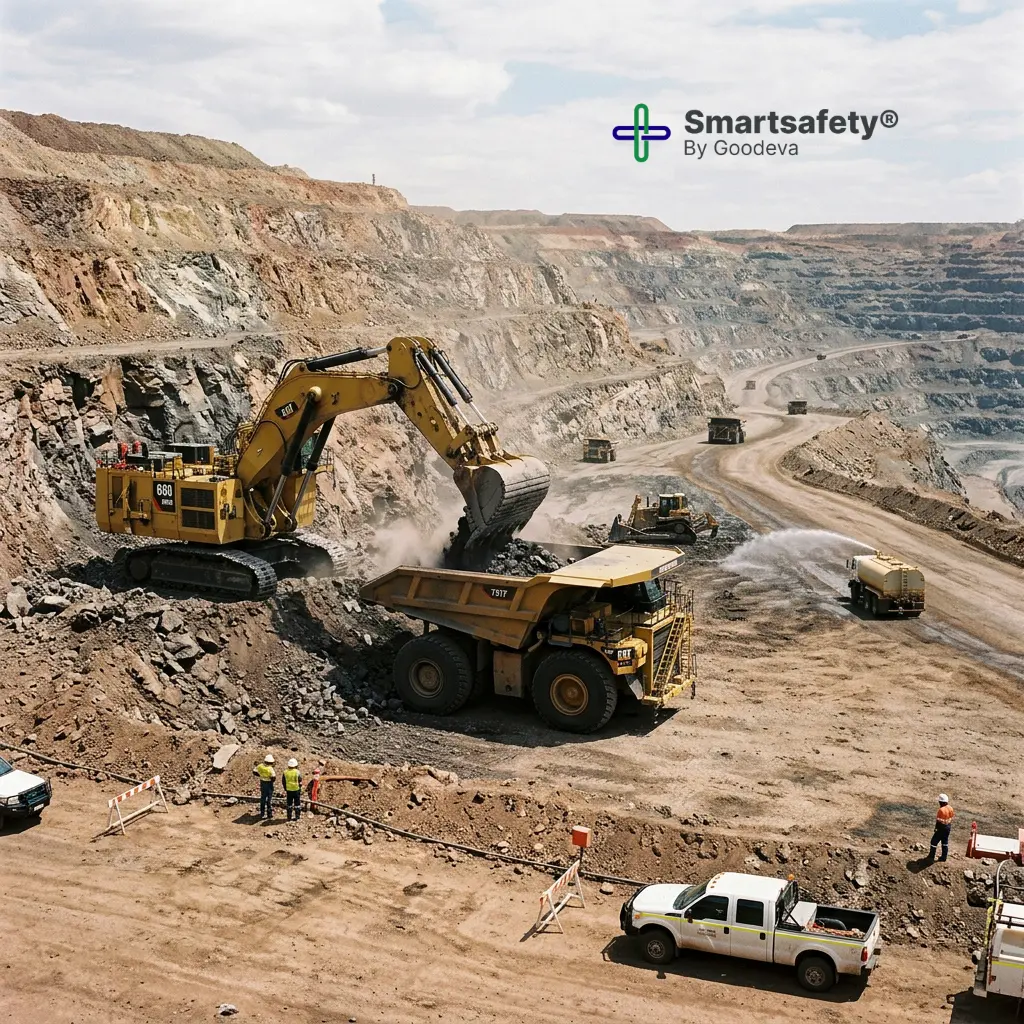
Fatigue is a state of physical and mental exhaustion that can severely impact a worker's ability to perform their duties safely. When an employee is fatigued, their judgment, coordination, and alertness are compromised, leading to an increased risk of accidents. In some industries, such as mining, transportation, or healthcare, fatigue can be particularly dangerous, as the work often involves operating heavy machinery, driving long distances, or making critical decisions.
Fatigue-related accidents can occur in various forms, including:
Vehicle Collisions: Fatigued drivers have slower reaction times and are more likely to fall asleep at the wheel, leading to accidents.
Machinery Mishaps: Fatigued workers operating machinery may make errors in judgment or fail to follow safety protocols, resulting in accidents.
Human Errors: Fatigue can cause workers to overlook important details, leading to mistakes that can have serious consequences.
Given the significant risks associated with fatigue, it is essential for employers to take proactive measures to manage and prevent fatigue-related accidents.
Preventing Workplace Accidents
Preventing workplace accidents requires a comprehensive approach that includes risk assessment, employee training, and the implementation of safety protocols. Here are some effective strategies for preventing common workplace accidents:
1. Conduct Regular Risk Assessments
Regular risk assessments are crucial for identifying potential hazards in the workplace. Employers should evaluate the work environment, equipment, and processes to identify risks and implement measures to mitigate them.
2. Provide Proper Training
Employees should receive proper training on how to perform their tasks safely, including the correct use of machinery and equipment, handling of hazardous materials, and emergency procedures. Regular refresher courses should also be provided to ensure that employees remain aware of safety protocols.
3. Maintain a Clean and Organized Workplace
Keeping the workplace clean and organized can prevent accidents such as slips, trips, and falls. Ensure that walkways are clear of obstructions, spills are promptly cleaned up, and tools are stored properly.
4. Implement Safety Protocols
Safety protocols should be established and enforced across the workplace. This includes wearing appropriate personal protective equipment (PPE), following lockout/tagout procedures, and adhering to safety guidelines when operating machinery.
5. Encourage Reporting of Hazards
Employees should be encouraged to report any potential hazards or unsafe conditions to their supervisors. Prompt reporting allows for quick action to address the issue before an accident occurs.
6. Use a Fatigue Management System
One of the most effective ways to prevent fatigue-related accidents is by implementing a Fatigue Management System (FMS). An FMS is a comprehensive approach to managing worker fatigue by monitoring and controlling the factors that contribute to fatigue. It typically involves the use of technology, such as wearables, to track sleep patterns, work hours, and signs of fatigue in real-time.
The Role of Fatigue Management Systems in Accident Prevention
Fatigue Management Systems (FMS) play a crucial role in preventing fatigue-related accidents by identifying and mitigating the risks associated with worker fatigue. An effective FMS includes the following components:
Monitoring and Assessment: Wearable devices and software can monitor workers' sleep patterns, alertness levels, and overall well-being. This data can be used to assess the risk of fatigue and take preventive action.
Work Schedule Optimization: An FMS can help optimize work schedules to ensure that employees have adequate rest periods and are not working excessively long hours. This reduces the likelihood of fatigue and improves overall safety.
Real-Time Alerts: Fatigue Management Systems can provide real-time alerts to both workers and supervisors when signs of fatigue are detected. This allows for immediate intervention, such as taking a break or adjusting the workload.
Education and Training: An FMS can also include educational resources and training programs to help employees understand the importance of managing fatigue and how to do so effectively.
Data-Driven Decisions: By collecting and analyzing data on worker fatigue, companies can make informed decisions about staffing, scheduling, and safety protocols. This proactive approach helps prevent accidents before they occur.
Conclusion
Workplace accidents are a significant concern for businesses across all industries. Understanding the different types of accidents, including those related to fatigue, is essential for implementing effective prevention strategies. By conducting regular risk assessments, providing proper training, and implementing a comprehensive Fatigue Management System, employers can create a safer working environment, reduce the risk of accidents, and protect the well-being of their employees.
Related Post
Risiko K3 Tersembunyi yang Tidak Terdeteksi oleh Sistem Manual
Banyak perusahaan merasa sudah mengelola keselamatan kerja dengan baik hanya karena memiliki SOP, checklist harian, dan laporan inspeksi rutin. Namun kenyataannya, sebagian besar risiko K3 di tempat kerja justru tidak terlihat oleh sistem manual semacam ini—bukan karena risikonya kecil, melainkan karena sistem pengawasan yang ada tidak dirancang untuk menangkap kondisi yang berkembang secara dinamis di lapangan.1. Mengapa Sistem Manual Cenderung Melewatkan Risiko yang Sebenarnya KritisInspeksi manual biasanya dilakukan secara berkala—harian, mingguan, atau bahkan hanya saat audit. Masalahnya, kondisi berisiko di lapangan tidak menunggu jadwal inspeksi untuk muncul. Sebuah alat yang mulai aus, pekerja yang mulai kehilangan konsentrasi, atau prosedur yang mulai dilanggar secara diam-diam bisa berlangsung berhari-hari sebelum akhirnya tercatat oleh sistem manual—jika sempat tercatat sama sekali.2. Penyebab Kecelakaan Kerja yang Sering Luput dari RadarKetika ditelusuri lebih dalam, penyebab kecelakaan kerja yang sebenarnya sering kali bukan kegagalan alat atau pelanggaran SOP yang mencolok, melainkan akumulasi kondisi kecil yang tidak pernah dipantau secara sistematis: beban kerja yang menumpuk, jam istirahat yang terpotong, atau rotasi shift yang tidak proporsional. Sistem manual cenderung baru mendeteksi masalah ini setelah insiden terjadi, bukan sebelum insiden itu berkembang.3. Kelelahan Kerja sebagai Risiko yang Paling Sering DiremehkanSalah satu kategori risiko yang paling konsisten luput dari sistem manual adalah kelelahan. Kelelahan kerja adalah kondisi yang berkembang secara bertahap dan sangat sulit dinilai secara objektif oleh pengawas maupun oleh pekerja itu sendiri, karena kesadaran seseorang terhadap tingkat kelelahannya justru menurun seiring bertambahnya rasa lelah. Tanpa alat ukur yang objektif, fatigue kerja hanya akan terdeteksi setelah performa pekerja benar-benar menurun drastis—atau lebih buruk, setelah insiden terjadi.4. Dari Risiko yang Tersembunyi ke Sistem yang Bisa MelihatnyaRisiko-risiko ini sebenarnya bukan tidak bisa dideteksi—hanya saja sistem manual tidak memiliki kemampuan untuk memantaunya secara berkelanjutan. Di sinilah pendekatan berbasis monitoring sistemis menjadi krusial, karena mampu menangkap pola risiko sejak tahap awal, jauh sebelum berkembang menjadi kecelakaan. Topik ini dibahas lebih lanjut dalam artikel sistem monitoring keselamatan, sekaligus terkait erat dengan bagaimana sistem manajemen K3 yang baik seharusnya tidak hanya berhenti pada kebijakan, tetapi juga didukung oleh kemampuan deteksi dini—sebagaimana diulas dalam artikel SMK3 dan monitoring system.Risiko K3 di tempat kerja yang paling berbahaya sering kali bukan yang paling terlihat, melainkan yang paling konsisten luput dari sistem pengawasan manual. Perusahaan yang ingin benar-benar menekan angka kecelakaan perlu bergeser dari pendekatan inspeksi berkala menuju sistem yang mampu memantau kondisi lapangan secara berkelanjutan. Ingin tahu risiko tersembunyi apa saja yang mungkin belum terdeteksi di lokasi kerja Anda? Jadwalkan demo sekarang dan diskusikan langsung dengan tim Smartsafety.
Mengapa Fatigue Risk Management System Saja Tidak Cukup Tanpa Dukungan Software
Banyak perusahaan di industri berisiko tinggi sudah memiliki fatigue risk management system (FRMS) dalam bentuk kebijakan tertulis: aturan rotasi shift, batas jam kerja, hingga prosedur pelaporan kelelahan. Namun kebijakan yang baik di atas kertas tidak otomatis berarti risiko kelelahan benar-benar terkendali di lapangan. Tidak sedikit perusahaan yang memiliki dokumen FRMS lengkap dan sudah diaudit, tetapi tetap mencatat insiden terkait kelelahan karena implementasinya berhenti di level administratif.1. FRMS sebagai Kerangka Kebijakan, Bukan Alat OperasionalFRMS pada dasarnya adalah kerangka tata kelola: ia menentukan bagaimana perusahaan seharusnya mengelola risiko kelelahan secara sistemis. Namun kerangka ini tidak memiliki kemampuan untuk memantau kondisi pekerja secara langsung. Tanpa alat pendukung, penerapan FRMS sangat bergantung pada kepatuhan manual—jadwal yang dicatat, laporan yang diisi sendiri oleh pekerja, dan pengawasan berkala yang mudah terlewat, terutama pada shift malam atau lokasi kerja yang tersebar.2. Kesenjangan Antara Kebijakan dan Kondisi Nyata di LapanganSebuah FRMS bisa saja mewajibkan istirahat setiap delapan jam kerja, namun tidak dapat mendeteksi jika seorang pekerja sudah menunjukkan tanda kelelahan jauh lebih awal dari jadwal tersebut. Di sinilah kesenjangan paling umum terjadi: kebijakan berjalan sesuai jadwal administratif, sementara kondisi fisik pekerja berjalan mengikuti ritme yang berbeda—dipengaruhi oleh beban kerja, kualitas tidur, hingga kondisi kesehatan masing-masing individu yang tidak selalu seragam.3. Mengapa FRMS Membutuhkan Fatigue Monitoring SystemUntuk menutup kesenjangan ini, FRMS perlu didukung oleh fatigue monitoring system yang mampu memantau kondisi pekerja secara berkelanjutan, bukan hanya pada titik-titik pemeriksaan terjadwal—sebagaimana dibahas dalam artikel real-time fatigue monitoring. Data pemantauan inilah yang memberikan bukti objektif tentang kapan kebijakan FRMS benar-benar perlu diaktifkan, misalnya kapan rotasi shift dipercepat atau kapan operator perlu dihentikan sementara, alih-alih mengandalkan jadwal kaku yang sama untuk setiap kondisi.4. Menghubungkan FRMS dengan Fatigue Detection System dan Software PendukungFRMS yang kuat idealnya terhubung dengan fatigue detection system untuk mengenali tanda-tanda kelelahan secara otomatis, serta platform fatigue management system yang mengubah kebijakan FRMS menjadi alur kerja yang berjalan sendiri—notifikasi otomatis, eskalasi ke supervisor, hingga pencatatan kepatuhan untuk kebutuhan audit. Tanpa dukungan software, FRMS tetap menjadi dokumen kebijakan yang baik namun sulit dijalankan secara konsisten di lapangan yang dinamis, dan sulit dibuktikan efektivitasnya saat diperlukan untuk kepentingan pelaporan atau audit eksternal.FRMS memberikan arah kebijakan, tetapi tidak bisa berjalan sendiri tanpa dukungan sistem yang mampu memantau dan mendeteksi kondisi pekerja secara real-time. Smartsafety dirancang untuk menjembatani kesenjangan ini, menghadirkan platform fatigue management software yang menjadikan setiap kebijakan FRMS benar-benar dapat ditegakkan di lapangan, bukan hanya tertulis di atas kertas. Ingin tahu bagaimana Smartsafety dapat menjembatani kebijakan FRMS perusahaan Anda dengan sistem pemantauan real-time? Jadwalkan demo gratis sekarang dan lihat langsung bagaimana platform kami bekerja untuk industri Anda.